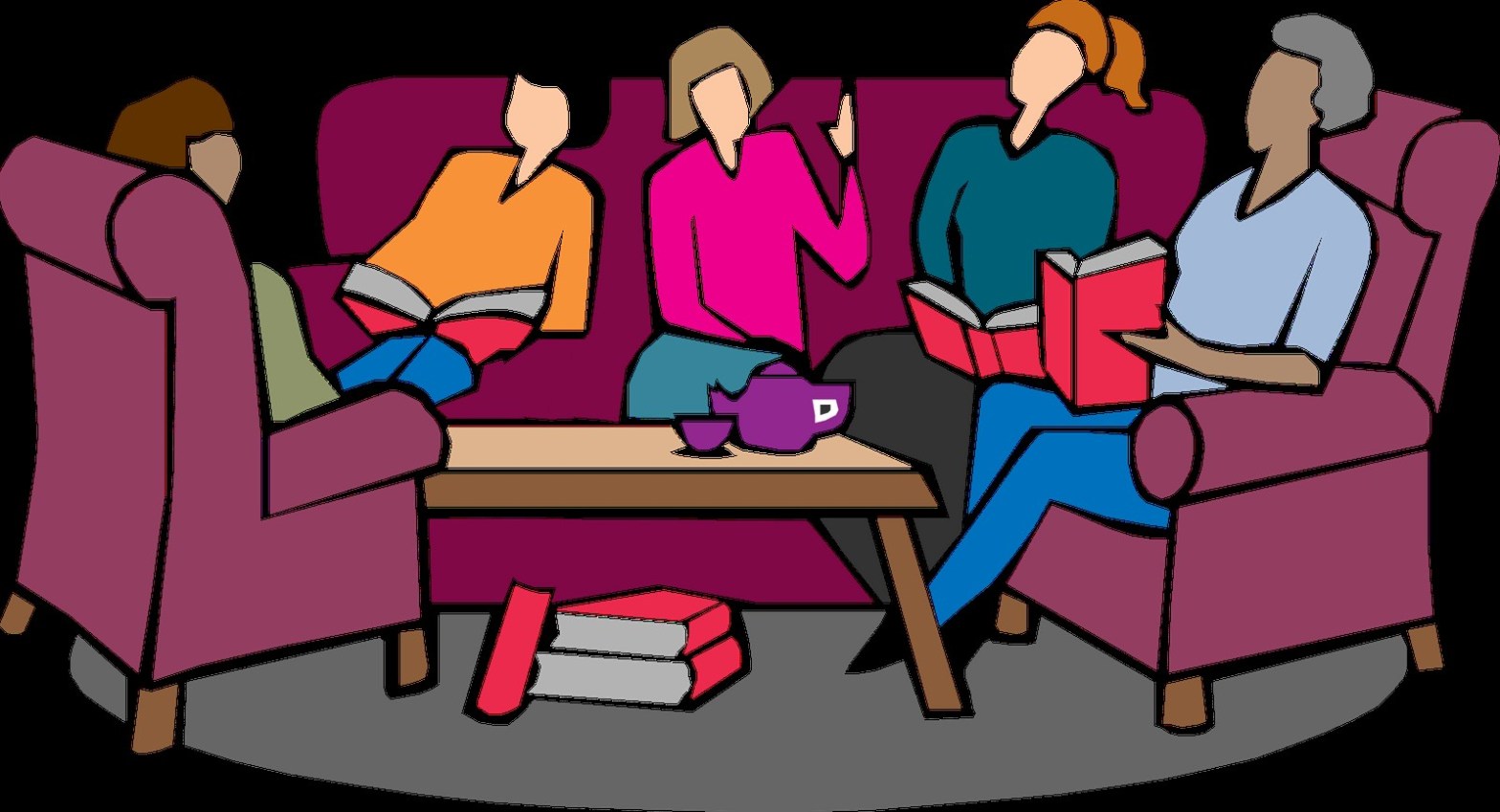
Whether they read slowly or quickly, digitally or on paper, on public transport, in bed or in the bath, readers love talking about the act of reading almost as much as the books themselves. That was certainly my impression when researching reading group discourse – the activity of reading was a topic people returned to again and again. Journalists, too, seem to use the politically dull summer months to ponder these habits and – once more – the supposed demise of reading as we know it [cue dramatic music].
This warm, dry English summer has found me at the garden table with a book during breaks and lunches. Very little gets read in bed while I wait for David to turn off the tele, check the locks and brush his teeth. These days I prefer news on my phone and ebooks to paper, with one exception: foreign‑language books, whose margins are perfect for pencilled translations. Occasionally I listen to audiobooks, though, as I’ve noted before, reading is quicker than being read to. Since in the UK audiobook revenue has more than doubled in five years, I’m clearly bucking the trend.
According to The Times, Britain is in the midst of an audiobook boom. Spotify’s entry into the market – offering up to fifteen hours of listening with its premium subscription – has helped. Since I’m boycotting (nearly) all things Bezos, Spotify is where I’ve dipped into the odd audiobook. Its Page Match feature, which links audio to the corresponding page in the print edition, lets readers switch formats seamlessly. It’s a clever idea – faster reading and easier than just audio for rereading and savouring favourite passages.
The notion that people are abandoning reading for listening or video simply isn’t true. The Times reports that ‘the worlds of the printed page and earphones are becoming interchangeable: one in three audiobook buyers had already read the same book in print, while one in four went on to buy the physical edition after listening. David Wallace-Wells, writing in the New York Times, surveys several studies on the drop in reading in America, noting how inconsistent methodologies can distort the picture – some exclude ebooks, others audiobooks. Overall, the reduction in reading hours is minimal and fluctuates as new media emerge (cable television, streaming, and so on).

People are still reading books, and rising book sales make that clear. Wallace‑Wells highlights a more surprising trend – older people are skewing the figures because they are the group reading less. ‘In 2003, older Americans read on average just under an hour each day — 58.5 minutes. By last year, that had fallen nearly by half, to roughly 32.4 minutes.’ Here I’m again bucking the trend. When people ask what I’ve been doing with my retirement, I often say, ‘Getting more reading done!’ Isn’t that what older people do? Wallace‑Wells offers an unexpected explanation: ‘For all the hand‑wringing about the effects of new technology on kids, the impacts may be just as corrosive, if not more so, on their grandparents.’
Across the Channel, LeMonde reports a similar pattern of young people reading more than ever. In France, reading is apparently the nouveau chic. Beyond traditional book clubs, young readers are hosting reading parties and gathering in cafés, parks and public spaces with books (and ebooks) in hand – engaging in the solitary act of reading, but together. A je‑ne‑sais‑quoi experience indeed.
What I’ve Been Reading
I recently had the pleasure of meeting Andrey Kurkov and briefly chatting with him about the research behind Grey Bees (which I blogged about). I shouldn’t have been surprised that this polyglot, former soldier and teacher took up beekeeping to write the novel. Among my summer reads was his The Silver Bone, set in Kiev during the Bolshevik Revolution. The historical backdrop lends grit and absurdity – as wars often do. Early on we learn to take the story with humour when the protagonist Samson has his ear lopped off by a sword and keeps the dismembered ear in a desk drawer, where it continues to eavesdrop. By happenstance, Samson becomes an inspector for the local police, and the novel evolves into a detective‑thriller. I found myself more drawn to the military history (I hadn’t realised the role of the Chinese in Ukraine at the time) than to the detective turn.
During Britain’s fifth heatwave this year, I also read Boulder by Eva Baltasar (translated from Catalan by Julia Sanches). It follows two women, Boulder and Samsa, who move to Rajkovic for Samsa’s corporate job. Boulder, a former chef on a merchant ship, starts a trailer‑based snack business. With the help of a sperm donor, Samsa has their baby, and the two navigate motherhood and the longing for freedom. Though often labelled ‘queer love,’ the novel’s poetic voice and wit give it broader scope. It’s ultimately about intimacy, independence and the strange negotiations of partnership. As a linguist, I especially enjoyed Boulder’s reflections on language:
‘Language is and always will be an occupied territory… Only language can help you belong somewhere and make sure you don’t lose your way. At the same time, language is everywhere, occupying the body’s farthest-flung cells, pushing them to unimaginable places. It urges you on and turns your stomach, confuses your animal instincts, makes you human.’
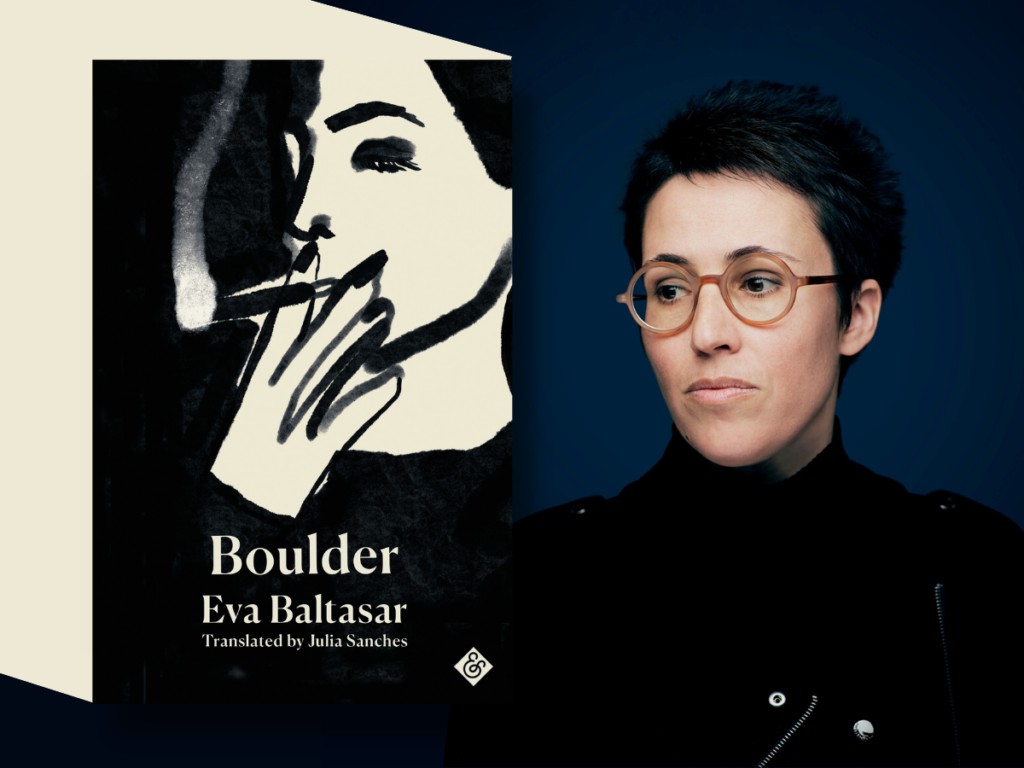
These two books were the last ones I read on my Kindle before selling it on eBay. As part of my Bezos Boycott, I’m now reading on a Kobo – which, unlike Kindle, lets me upload ebooks borrowed from my local UK library. And perhaps that’s the real story of this summer – not that reading is fading, but that it keeps finding new corners of our lives, slipping into whatever spaces we make for it.