I discovered Ernesto Schiaparelli and Elsa Schiaparelli within the space of a couple of days. I resist linking them by their shared surname – as Ernesto and Elsa S – because they weren’t husband or wife, nor siblings for that matter.
During a recent city break in Turin, we visited the highly acclaimed Egyptian Museum, said to house more Egyptian artifacts than any other museum in Europe. Spread across four floors of daily and ceremonial objects, wall paintings, jewellery and of course, mummies and their tombs, it left me buzzing with fascination and curiosity. Yet, at one point, I found myself wondering who had taken all this stuff in the first place. The short answer appeared to be Ernesto Schiaparelli – though he did have fellow Egyptologists and archaeologists working alongside him.
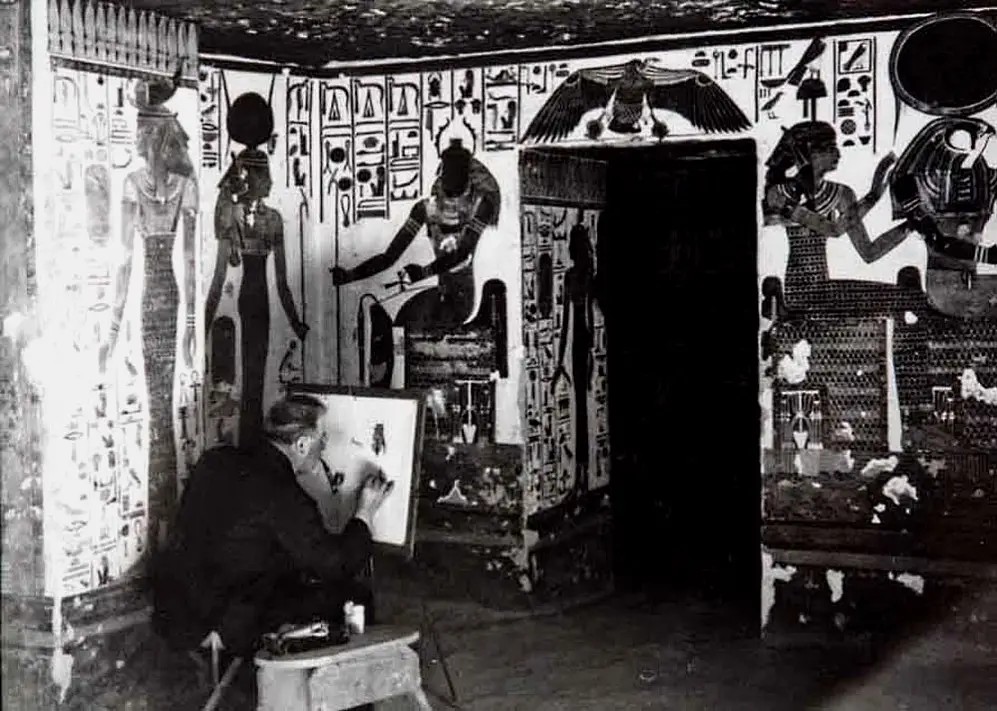
This Schiaparelli led twelve major archaeological expeditions in Egypt between 1903 and 1920. A few grainy black and white photos of the man himself were on display alongside maps showing where different excavations took place. Looking at these images, I was struck by the man’s pride – his puffed chest, the self‑assurance. That was when the guilt sunk in. I glanced at the packs of Italian school children huddled around the mummies’ tombs and assumed none of them were thinking about repatriation or even long‑term loans back to Egypt. But later my thinking shifted when I learned that the Egyptian government of the time had granted permission for all these digs, which were funded by King Vittorio Emanuele III – a familiar name to anyone who has toured northern Italy. And it’s not like Egypt lacks its own treasures – the new and rather ostentatious Grand Egyptian Museum in Giza holds over 100,000 artifacts.
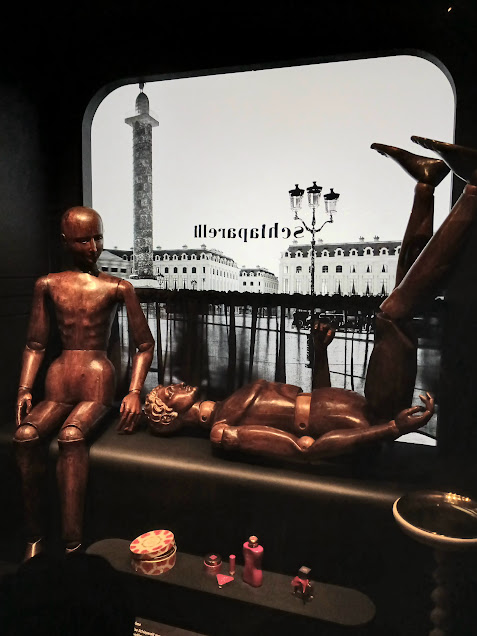
Back at our Turin holiday rental, lounging between outings, I stumbled across a review in La Repubblica of an exhibition at London’s Vicotria and Albert Museum on the works of designer Elsa Schiaparelli. Born in Italy in 1890, this Schiaparelli came to fame after moving to Paris and starting her own fashion house in 1927 – a year before Ernesto died. The shapes and patterns of her designs were surreal and mischievous, with themes ranging from insects and food to human organs. In her time, Schiaparelli’s clothes were one‑of‑a‑kind and highly sought after. Her artistry was recognised widely, and she collaborated with Salvador Dalí, Jean Cocteau and Picasso, among others.
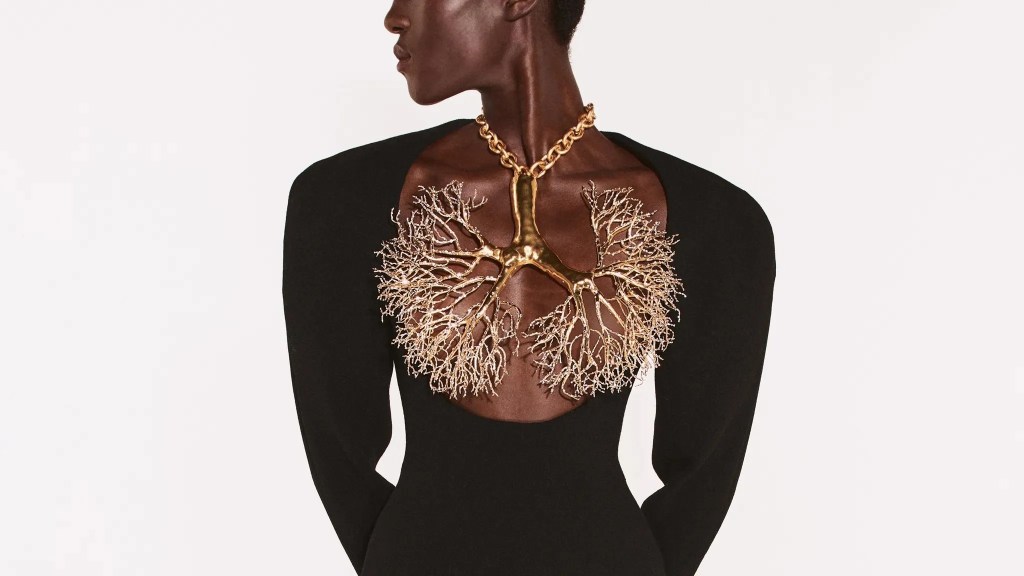
Finally getting to see this exhibition – there was a 5-week waiting list – I was mesmerised by the aesthetics and by the idea that people once wore these works of art. I could trace her influence across the decades that followed and understand why she was chosen to create costumes for the glamorous early days of Hollywood and international cinema.
These two Schiaparelli’s came from the same Italian aristocratic family. Ernesto was Elsa’s great uncle. There is no known record — no letters, no memoir references, no photographs, no interviews — suggesting that Ernesto Schiaparelli and Elsa Schiaparelli ever met. Yet in my imagination they meet in a third space: a consciousness‑space where curiosity and creativity reign, and where each nods to their shared ancestry.
What I’ve been reading
I’ve become a Rachel Cusk fan in recent years, and Parade, did not disappoint. To say that it’s a ‘story of’ four artists whose lives overlap places this uncomfortably in the familiar rubric of a novel, when the narration regularly breaks the conventions of that genre. Perhaps novels have become too filmic – and this is one novel that couldn’t possibly be made into a film. At times it reads like an essay composed of conversations in single rooms, the sort of scenes that would repel contemporary film editors and their audiences. And the piecing together of its disparate parts only works on the page. For instance, each of the artists is called G. The first G is male and decides mid-career to start painting upside down. As another G is female, a typical reader starts to wonder if it is the same G who has transitioned – exactly the type of game Cusk plays with her readers. As confusing as it sounds, it works. The four lives separately, and at more subtle levels collectively, explore themes on identity, the nature and value of art and the meaning of freedom. Anything more I could say at this point would be a spoiler – not for revealing the plot, but for denying you, dear reader, the chance to experience it firsthand.
Final thought: I was reading Parade around the time I visited the Schiaparelli exhibition at the V&A. I might not have been aware of it then, but I don’t doubt that in my subconscious, these fictional artists were speaking with Elsa in that same consciousness‑space.


