
I’ve decided to make 2023 my year to focus on this blog. You might recall a few years ago I set myself the task of writing in my journal every day. That was an interesting exercise, not only as a writer, but for the self-administered psychotherapy that came with it. As this blog is more about the ideas I run into and less about me than my journals, I don’t know what to expect from a routine of regular weekly blogging. My current practice is a blog once every week or two, with larger gaps between blogs if I’m working on a writing project. During those gaps, I’ve made notes and journal entries on things I want to blog about but then didn’t get around to. There’s a stockpile of ideas and fragments of blogs in case I run dry some weeks. I don’t know if that will make me a breaker of the blogger’s code if I don’t always adlib.
I first took up an interest in blogs not as a writer of one myself but from the perspectives of sociolinguistics and psychology. In the early days of blogging, this written genre was a curio for researchers with a hint of condescension. Looking through my folders from a dozen years ago, among the pieces on ‘online language’ – I don’t know what that means anymore – I found an article saying this:
‘The results of two studies indicate that people who are high in openness to new experience and high in neuroticism are likely to be bloggers. Additionally, the neuroticism relationship was moderated by gender indicating that women who are high in neuroticism are more likely to be bloggers as compared to those low in neuroticism whereas there was no difference for men. These results indicate that personality factors impact the likelihood of being a blogger and have implications for understanding who blogs.’
You can read a lot into this, but I’ll stop myself from a feminist interpretation since this was written in 2008. Blogging has since become normalised and no more for the novelty-seeking neurotic than the ever so quotidian Facebook. Today blogging is used by writers of all sorts, a mainstay for citizen journalists, politicians, travel writers and activists. Let’s not forget the promotional blogs that pretend to be informative, masking their agenda to sell the likes of gardening tools, sports kit and (sorry publishing friends) books.
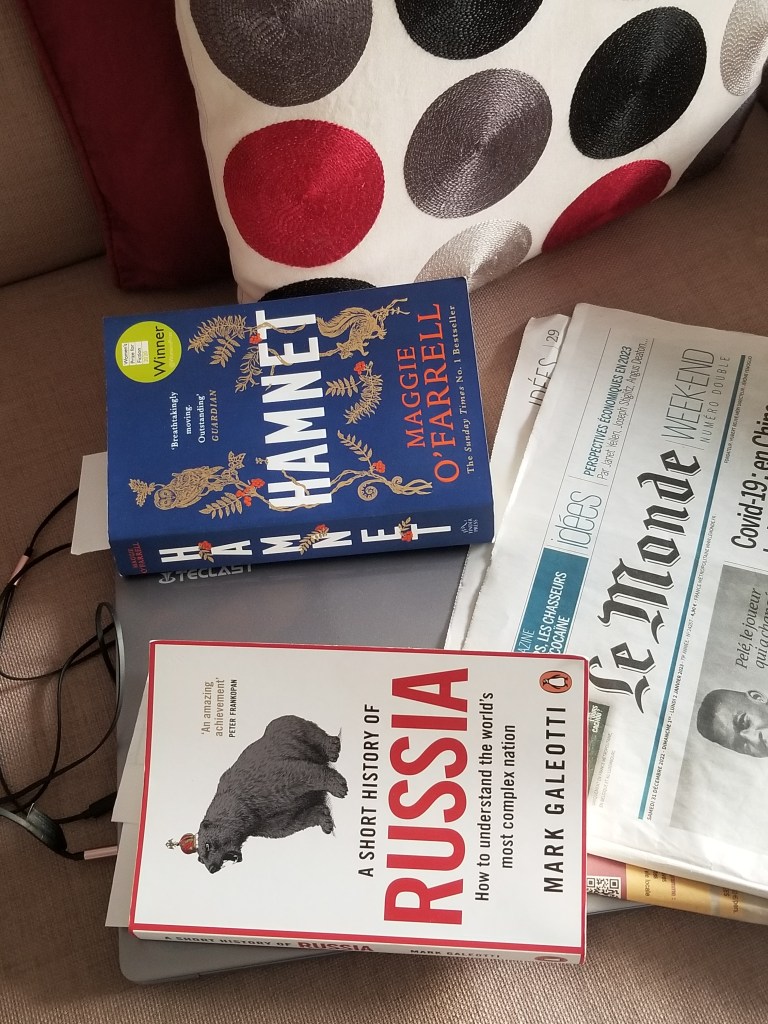
So, why am I blogging? I’m reminded of that worn quote, sometimes attributed to a character in the film Contagion: ‘Blogging is graffiti with punctuation.’ True, sometimes I blog to express myself on political and social issues with the attitude of a graffiti artist. Other times, I share ideas that I find give some meaning to life, sometimes making it clearer, sometimes more ambiguous. A lot of this is through the lens of what I read, fiction and non-fiction, or what I’ve observed in the visual arts and occasionally film and television. With all this in mind, I hope, dear reader, you will continue to read and enjoy my blogs. Here’s to the writing year ahead – clink.

 There’s also the possibility that I’m all wrong. Our egg-stained door and damaged car could be coincidences and could have nothing to do with Brexit. But in the socio-political climate we live in, an innocent explanation is hard to contemplate. I guess I’ve been writing about The Daily Mail and its political heroes after all.


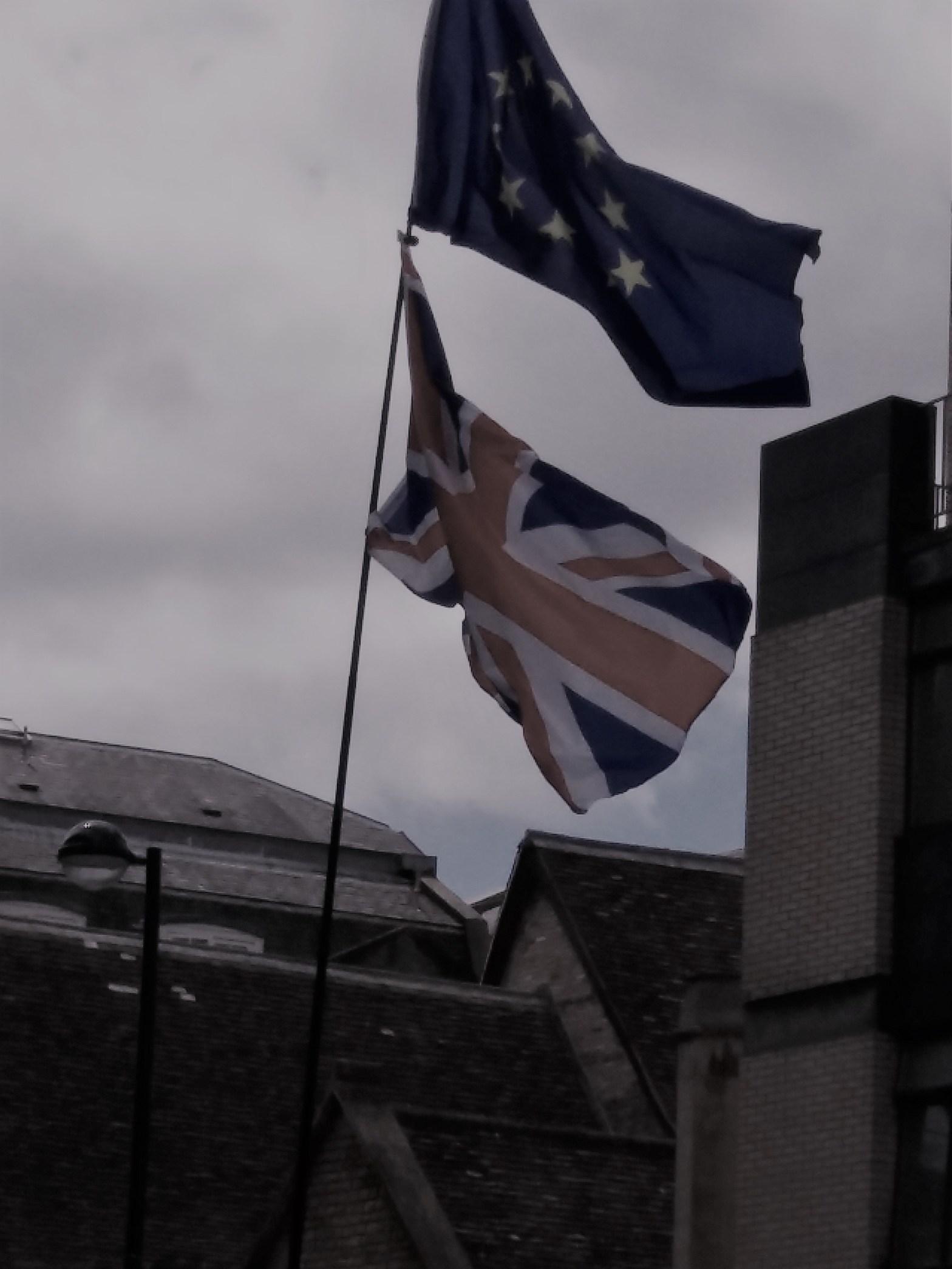


 tral about this – somewhere between joyful white and mournful black. I’m using grey in the sense of unclear and murky. The extent to which we can retain useful ties to the EU are unknown and untested. Likewise, Britain’s relationship to the rest of the world, especially in the age of Trump and Putin, are beyond speculation. Most important of all, grey represents the storm cloud over Britain, a country left divided and angry over this referendum.


 and repeated so often, they are taken as fact. The word itself, apparently first coined by writer Norman Mailer, takes its ‘oid’ suffix form the Greek word for appearance or form. This definition has been expanded and according to a few online dictionaries, a factoid is also a small or trivial fact. In this newer definition lies another danger – factoids are no longer half-baked truths, they’re just mini-truths.
 Paola Trimarco