I know I’ve criticized the Van Gogh industry before – the posters, tea towels, coasters and the astronomical price tags on his originals. Underlying this is the fact that this master is known as much for his self-mutilation as for his paintings. Despite all that, I am a fan of Vincent Van Gogh. While I’ve tired of the ubiquitous sunflowers, I still get mesmerized by The Potato Eaters, the Japanese orchards and best of all discovering those lesser-known gems, those paintings secreted away in museum corners waiting for me to find them. With this in mind, I brushed aside my misgivings about commercializing dead artists and headed off to Arles, France for a day trip.
Van Gogh only lived in Arles for fifteen months. He spent more time in Paris (2 years) and in Brixton, London (3 years). Yet Arles tourism has etched out a place for the master since after all in Arles, Van Gogh made over 300 paintings and drawings, some of his best-known works. That was enough to convince me it would be worth doing the Van Gogh trail with the hope of discovering something new, or as in the case of Paul Cezanne in Aix-en-Provence, get a feel for how the artist once lived.
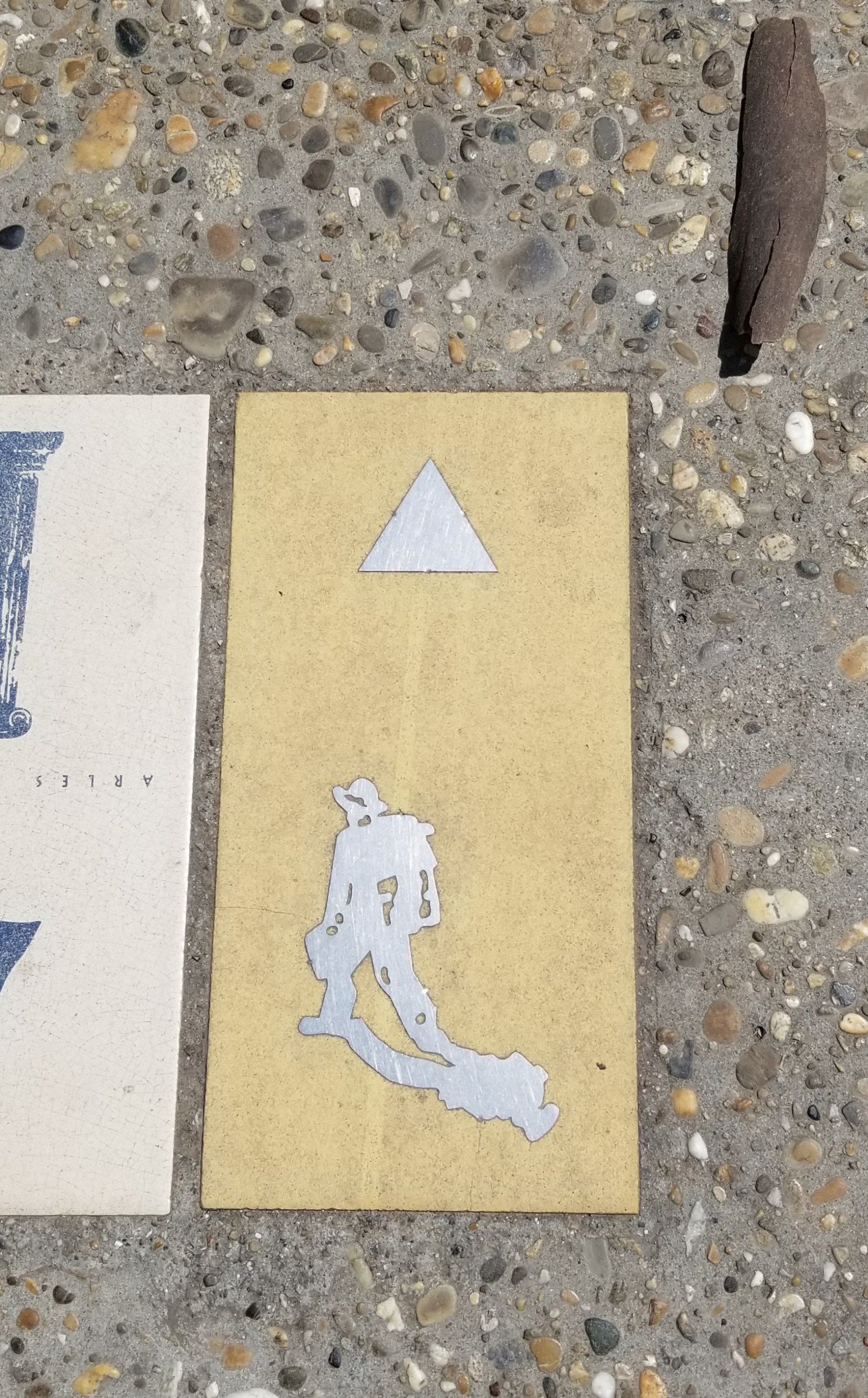
The tourist office provided a map of walks in and around Arles, of which the footsteps of Van Gogh were included. There were six places of interest, with two of those places not existing as they once did – the famous yellow house where he lived with Paul Gaugin for a while was bombed out during WW2. The other ghost site was the view from the river, which Van Gogh famously painted. Today the view is mostly cluttered with 1980s apartment blocks. I saw the ‘night café’ in the daytime which is when it is now at its liveliest, full of tourists taking photos while locals try to have their espressos in peace. The public gardens and most of the stone bridge were still intact, evoking images vaguely reminiscent of Van Gogh’s landscapes. Perhaps that couldn’t be helped – what my eyes witnessed were closer to photographs than impressionist paintings.
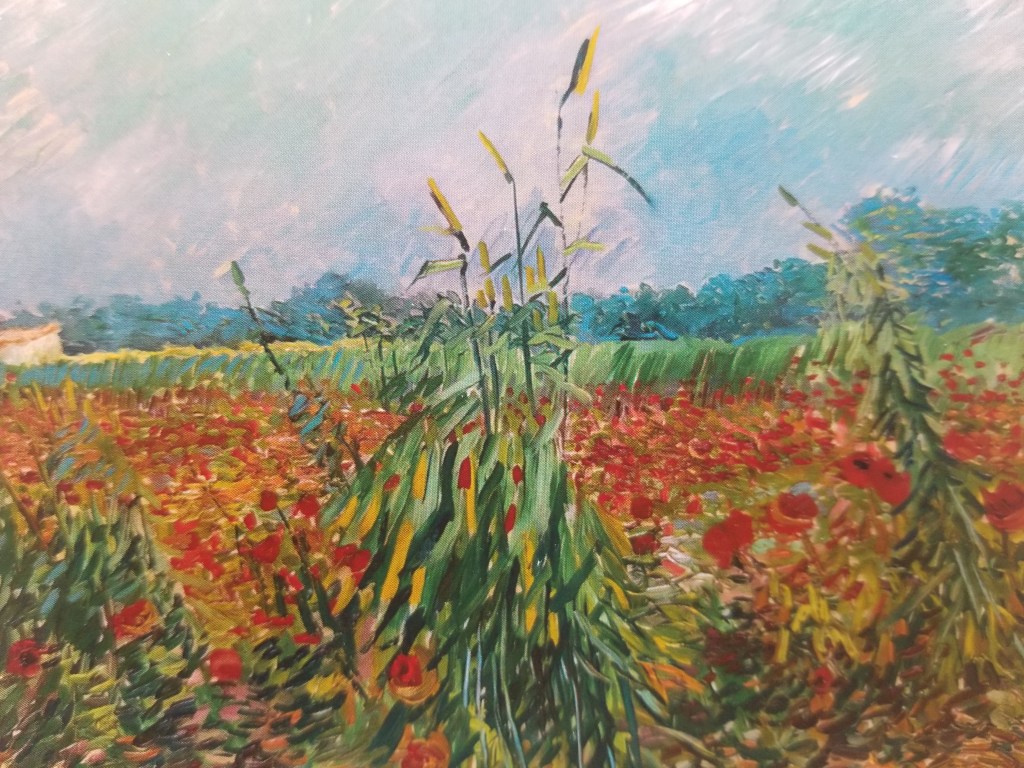
What about the paintings and drawings? Two museums were on the Van Gogh trail. The one didn’t have any artworks but could boast having one letter written by Van Gogh to Gaugin. The other museum, the Foundation Vincent Van Gogh, not living up to its name housed five paintings by Van Gogh and bizarrely had them on display in an exhibition of female abstract artists. Yet, among those five I did find the gem – the painting I hadn’t seen before. Les Epis Verts is of shafts of green wheat in a field somewhere around Arles and was painted in 1888.
It is ironic that on the rare occasion I was prepared to not be cynical about commercializing art and overkill of the great masters, I was left underwhelmed and wanting more. C’est la vie.


 Paola Trimarco