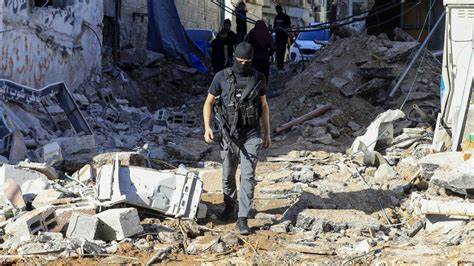
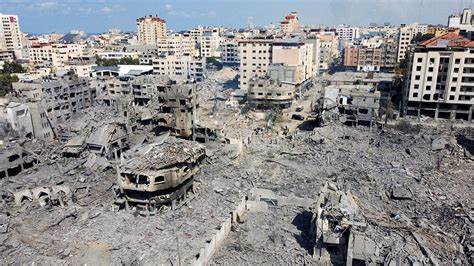
Are Hamas terrorists? The BBC and its presenters have taken a lot of flack this week for not saying so. The BBC does report, however, that the US and Britain have classified Hamas as a ‘terrorist organisation.’ But nearly everyone reporting in the media, including the BBC, agrees that the acts of the weekend of 7 October that were committed by Hamas were terrorist acts. This begs the question: Can you commit terrorist acts and not be a terrorist?
Of course, you can if you are a government at war. We have seen this most recently with the Russian invasion of Ukraine. Just this week, the United Nations published the findings of its investigation into Russian aggression in Ukraine showing that ‘Russian authorities have committed the war crimes of wilful killing, torture, rape and other sexual violence and the deportation of children to the Russian Federation.’ The same atrocities committed by a non-governmental body would be referred to as terrorism.
Writing in Prospect this week, Conor Gearty, an expert in human rights law, takes the position that Hamas is ‘too governmental’ to be called a terrorist group. Gearty explains:
‘Hamas are not, however, a straightforward terrorist group, senselessly violent though these attacks may have been. They won the most recent election held across Palestine, in 2006, and have been in control of Gaza since 2007. Hamas may be called a terrorist group but if so, they are a very governmental sort of terrorist. This authority in Gaza gives them more options than mere violence, and though Israel and its supporters may wish it to be so, their violence does not appear (in the past at least) to have destroyed their wider support in the community. Here they more resemble Hezbollah, Haganah (from Israel’s own “terrorist” past), the South African ANC and the IRA than they do al-Qaeda or the Red Army Faction from 1970s Germany.’
Others agree that Hamas should not be called terrorists, but for a different reason altogether. Referring to Hamas as terrorists can be viewed as anti-muslim (my spell check has this as anti-muslimism). In so many contexts, the word terrorist has been weaponised.
Plenty of people would object to these opinions, saying to not call Hamas a terrorist organisation is antisemitic. I found examples of this in the comments to Gearty’s article. Taking a different stance outside of religion, I’ve heard politicians and pundits in recent days arguing that calling Hamas terrorists is a way of distinguishing Hamas from the innocent Palestinians caught in the crossfire or deliberately being used as human shields.
Pointing out differences in the uses of words and their connotations isn’t just an academic exercise. Words matter. I appreciate that the BBC is trying to show its objectivity in reporting these events, but this is near impossible given the long history of wars and talk of genocide and hate coming from all corners.
I’m afraid that in the weeks and months ahead, atrocities are going to be committed on both sides of this conflict whether they are called terrorism or war crimes.

 parkling with glitter, paper-macheted, sexy, comical, upheld the traditions and essentially gave the finger to the terrorists of our age.
 Paola Trimarco