Has it really only been a year? The headlines have piled up so quickly they’ve blurred into a single, exhausting smear – a year of presidential mandates and postings that veer from absurd to cruel, each one landing like another stone in the rucksack I’ve been dragging behind me. I’m not going to list the imbecilic, inhumane and illegal decrees of the current US president, who was inaugurated a year ago today – plenty of news services have done that. Reading them, I realised that so much has happened my brain had already forgotten about or diminished the importance of some of it. I don’t think this is just because of their high number or the fact that some have withered on the vine – what’s happened to the dangers of Tylenol/paracetamol? It’s also due to the anger and despair I’ve experienced with each new story over the past 12 months. Coping with these emotions has entailed living more in the moment – being aware of daily life and grateful for my retirement – and consequently relegated to the past events that I cannot change nor work around.
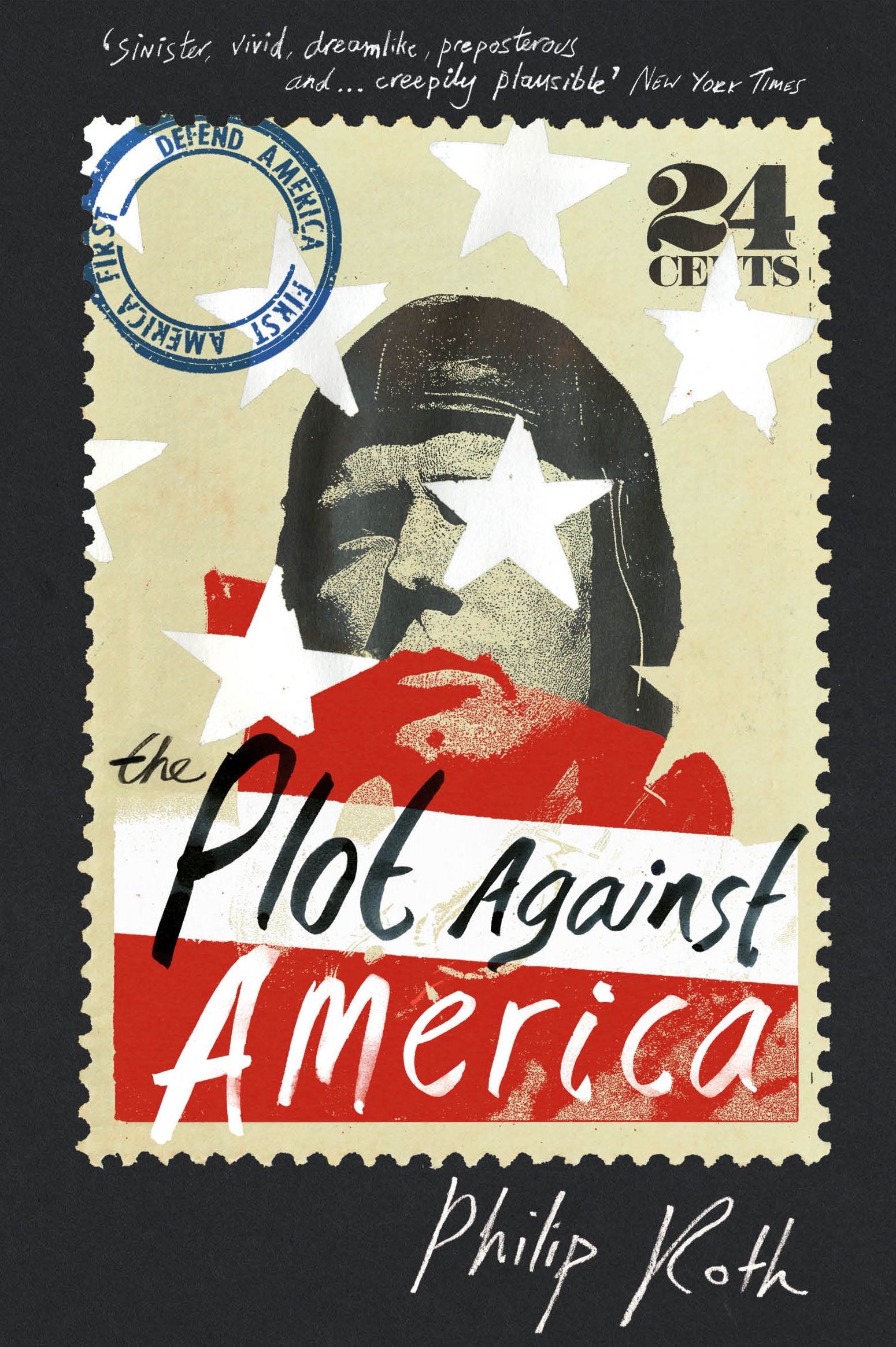
At times, I have been reminded of What-If novels that imagine a world where some aspect of history happened differently. Philip Roth’s Plot Against America has come to mind too often. Roth offers us an alternative 1940s America in which the famous aviator Charles Lindbergh – in real life a hardcore isolationist and Nazi sympathizer – becomes president after beating FDR in his third election. President Lindbergh signs non‑interference pacts with Nazi Germany and Imperial Japan. Lindbergh’s administration promotes antisemitism, creating policies that tear apart Jewish communities and families under the guise of ‘Americanization.’ I’m left with an uncanny feeling of fiction bleeding into reality – the comparisons between Roth’s quasi-fantasy world and our own don’t need to be enumerated.
Playing with the notion of a What-If novel, I’ve come up with one of my own:
It’s 2026. President Kamala Harris sits in an Oval Office devoid of goldleaf. In place of the aggressive ICE raids from the past decade, a quieter and more technology-driven ‘humane enforcement’ approach is now being used for immigration. However, all is not perfect – this approach faulters when a historic climate-driven migration surge hits the US southern border. In the meantime, Fox News airs a series of videos exposing Harris as having a clandestine affair with a high-ranking CIA official. Amid accusations of exposing official secrets and being branded a slut, Harris claims her innocence. On the world stage, while skirmishes continue in Donetsk, Russia has otherwise retreated. Ukrainian elections have started without Zelensky, who has returned to acting and being the voice of Ukrainian Paddington Bear. Gaza has begun rebuilding despite continued threats from Israeli armed forces, but these have quelled in the light of the Netanyahu trials taking place in the Hague. The ‘Greenland Purchase’ is a joke of the past.
What I’ve been reading
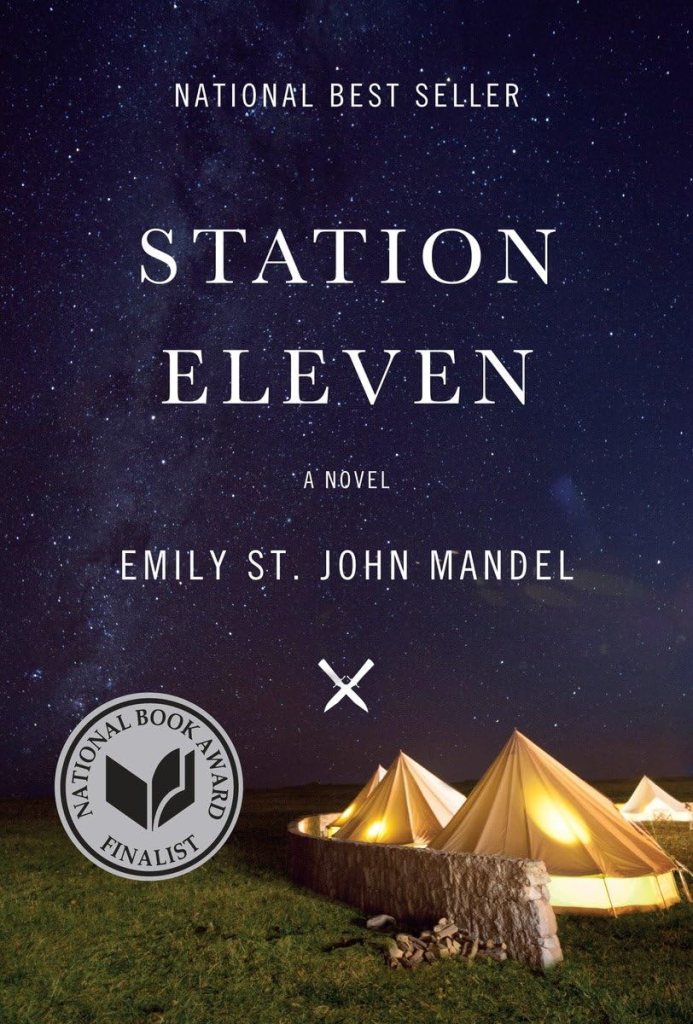
It probably has not helped my mental health these past few weeks of infamy to be reading a post-apocalyptic novel. Having said that, I thoroughly enjoyed Station Eleven by Emily St John Mandel. Set in the Great Lakes region of Canada and America (countries no longer have governments or borders), it has several storylines and follows different principal characters living in a world where some 90% of the population died during a pandemic. The writing is a masterclass of narrative construction as storylines move seamlessly back and forward in time, linking the time before the pandemic to the post-apocalyptic society struggling without internet, electricity, medical services, etc. While this sounds grim – and there certainly are sad moments – I found pleasure in the telling of the story, the relationships among the characters and one set of characters in particular – despite all, a group of musicians and actors travel together to different ‘settlements’ performing Shakespeare.
Another novel that is sad on the surface, but still enjoyable to read has been Gianfranco Calligarich’s Last Summer in the City, translated into English by Howard Curtis (a friend who passed this book on to me). Set in the late 60s in Rome, the story follows the life of Leo, intelligent and witty, but an alcoholic drifter who struggles to hold down jobs. He manages to eat and have a roof over his head thanks to well-off friends, emersed in a Dolce Vita existence of partying and casual sex. But for Leo, under an aura of loneliness and melancholy. Then he meets Ariana. They have an intense romance soaked in alcohol and bonhomie. He’s in love, but she isn’t, and his life spirals down yet again. Still, a gratifying read.
These days, my reading is an act of escape without being escapist – my way of stepping sideways out of the world – not to avoid it, but to breathe long enough to step back in.
 Paola Trimarco