It’s not a word that rolls off my tongue, but I had to use parthenogenesis to avoid receiving an obscene sticker from the bots at WordPress for using the word virgin as in virgin birth. Pity the seedy surfer who was looking for a virgin and wound up here in my sociocultural blog.
Clare Chambers’ novel Small Pleasures sparked my interest in the topic of virgin births. The story begins with a journalist investigating a claim of a virgin birth to have taken place ten years before, with the proof being a ten-year girl without a biological father. As this is not a book of fantasy or SF, there’s no spoiler in saying that it turns out not to be a virgin birth after all. If it were set in the present, this would be a rather dull and short book with a DNA test revealing all. But this story is set in the late 1940s in Britain. The recreation of post-war austerity and medical practices of the day make this an interesting historical read. The 1940’s medical examinations of rudimentary blood tests and skin grafts fail to discount the possibility of a virgin birth. It’s the detective work of the journalist that uncovers the truth.
Gratefully, the parthenogenesis story soon becomes a subplot for the more interesting love story between the female journalist and the husband of the woman who professes her virginity when her child was conceived. At different points in the unfolding story, the journalist and the husband find it hard to not believe the woman. This is without religion coming into the story. Naivety, perhaps. Or yet another example of otherwise intelligent people believing the impossible. I recall as a child still believing in the tooth fairy long after accepting the Biblical virgin birth as a myth, a creation of faith and not science.
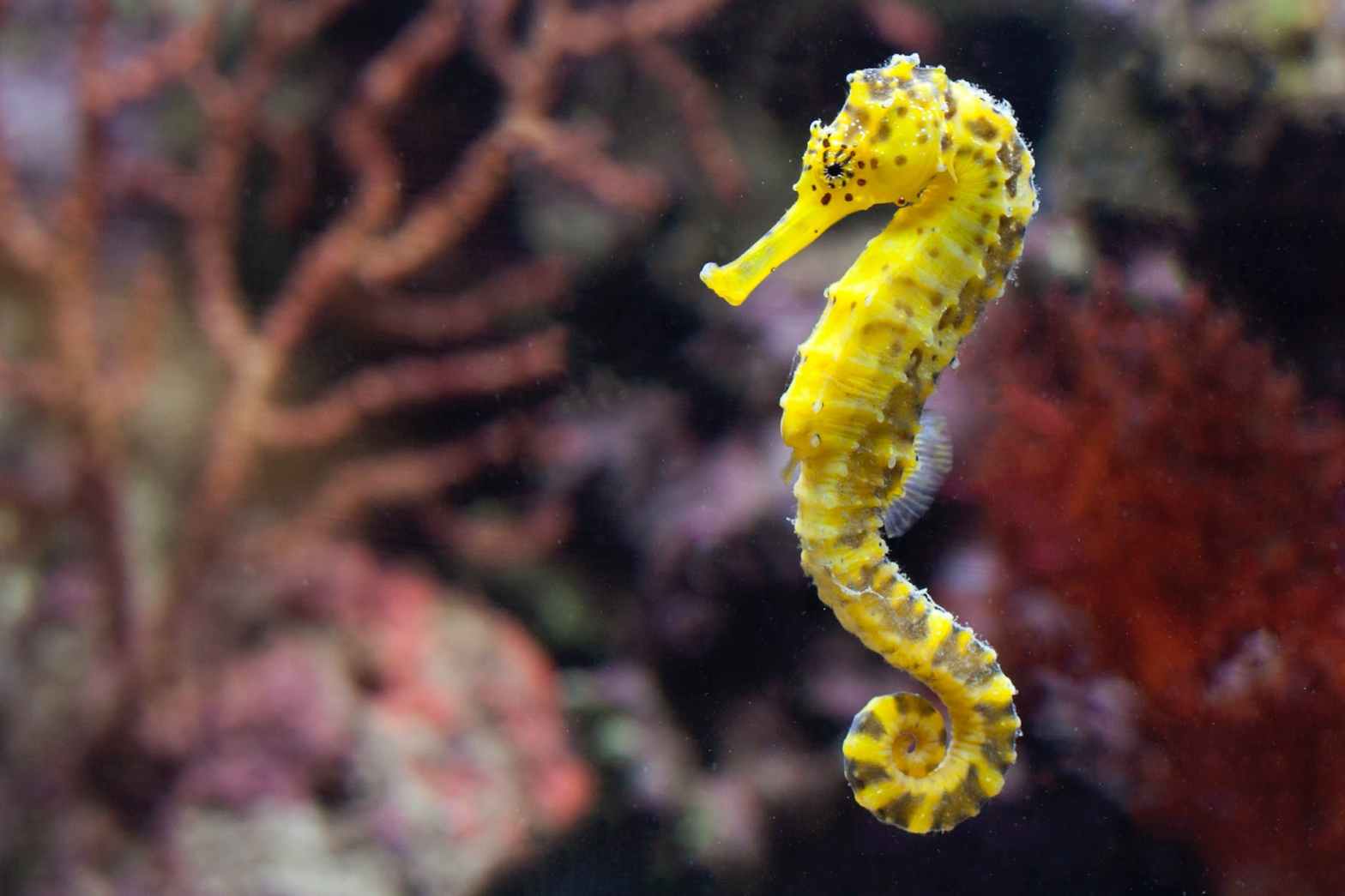
Virgin births do exist among some species of reptiles, fish and insects, but let’s try to stick to humans. Today, popular culture has us wrestling with the idea that men can become pregnant and give birth. Of course, I’m talking about transmen who were assigned female at birth and can become pregnant after transitioning. A term that has been floated around in recent years by the mother/father themselves is seahorse dad. The female seahorse lays her eggs in the male seahorse’s abdomen, and it is the male seahorse who carries the eggs to maturity and releases the offspring into the water, effectively giving birth.
The label of seahorse dad evokes a cute analogy, a metaphorical relationship between seahorses and transmen who give birth. After watching a few interviews with the seahorse dads, however, I’m left feeling a bit uneasy. I heard these mother/fathers speak of themselves as almost literally being seahorses. I’m not questioning their transitioning or living as a different gender from their birth sex, or even their suitability as parents. But humans are not seahorses, and when it comes to reproduction, these humans were able to get pregnant and give birth because they had female reproductive organs.
I wonder if I should have entitled this blog ‘The things we choose to believe’? Nah, better to build my vocabulary by using a new word, even if it’s one for a very old concept, and an even newer term – those seahorse dads – for a concept I accept, metaphorically speaking.
 Paola Trimarco