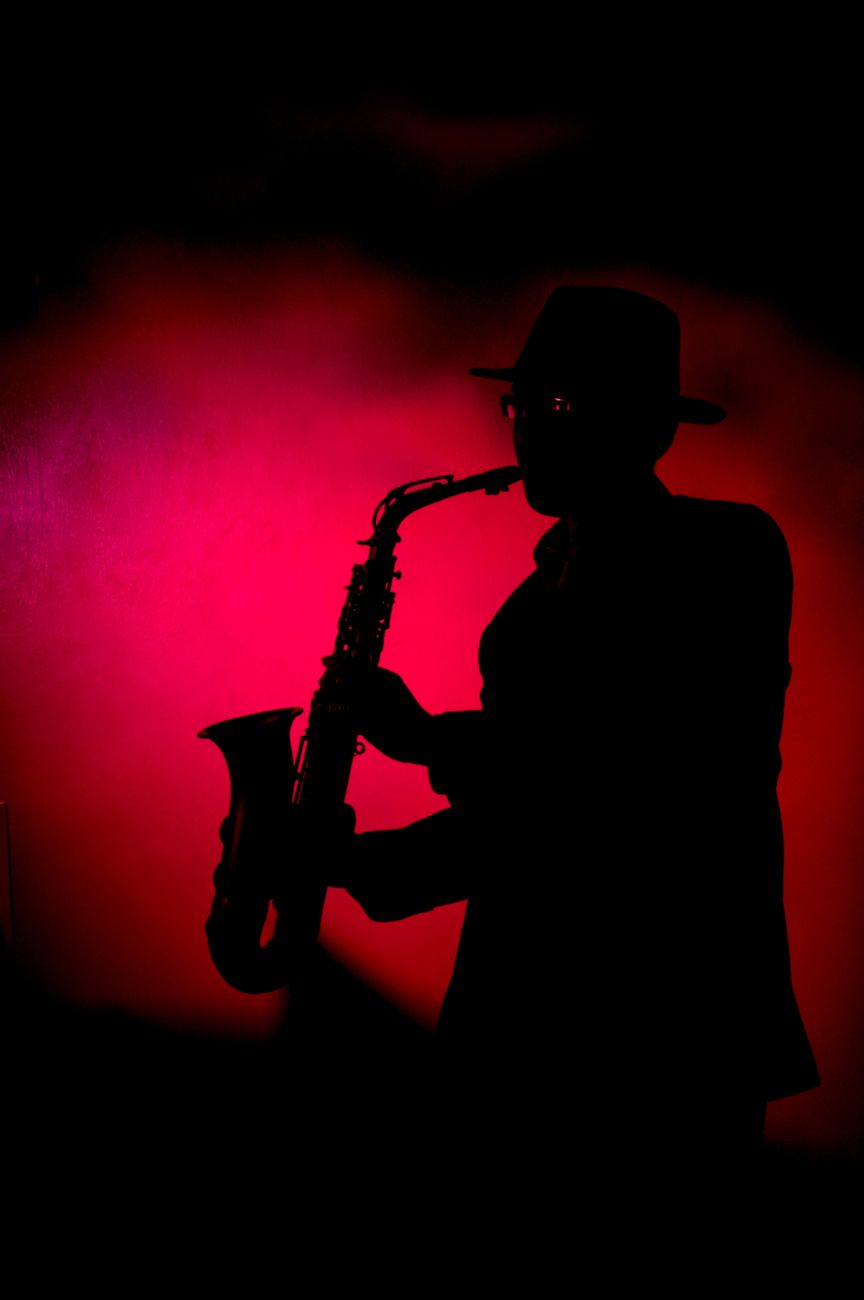
A jazz concert in Menton, France – nothing unusual about that. The band, a local group called La Compagnie So What, had an average age of about 70 – nothing unusual about that either.
What was unusual was my sudden awareness of the humanness of it all.
A couple of days earlier I’d been at a café with friends, where AI dominated the conversation. All the wonderful, unnerving things these systems can already do, and the even more astonishing things they’ll soon do. We traded stories – some shocking, some impressive – about AI producing creative work that we humans once considered uniquely ours. Novels, songs, poems, photographs, drawings – entire bodies of work generated ‘creatively’ from human-made inputs, human instructions, and human precedents, yet often faster and, disturbingly, sometimes ‘better.’
And then there I was at the concert. The bass player was wearing a hearing aid. The ensemble itself was delightfully odd – not the usual piano-led quartet, but bass clarinet, guitar, double bass, and a trumpet/flugelhorn player. For one song the audience was asked to crumble up newspapers on cue to fill in for the missing percussions. Would an algorithm come up with such as innovation if it were not directed by a human? That is, if it were an agent and not just a tool?
As John Naughton of The Observer recently pointed out, as AI platforms become increasingly error-averse, they gravitate toward popular, heavily replicated data. The end result is often bland. That’s fine for writing emails but far less promising for creative work. To put this is jazz terms, an AI produced concert would have been heavy on Ellington, Gershwin and Sinatra classics – safe choices for jazz dabblers and newbies. At the concert I attended, the choice of music included three pieces by the band members and another by Mulatu Astatke, the Ethiopian composer, beloved by jazz aficionados but hardly mainstream. No typical AI platform would have selected that playlist.
I heard the film director Paul Schrader speaking on the FRDH Podcast, describing how when he couldn’t hire actors for a controversial film, he created it with AI instead. Despite taking advantage of this technology, he warns, ‘We are the tool and it is the tool master.’ His blunt conclusion is, ‘The AI future is bad.’
I do hope this isn’t true, and that humans are able to retain our creative experiences, both in making art and in receiving it, in the messy, innovative ways only humans can.
What I’ve been reading
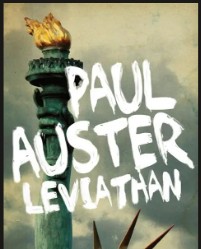
Written before the launch of OpenAI, John Auster’s Leviathan is definitely human made, full of the nuance and layered characterisations we would expect from a solid writer of literary fiction. The story’s narrator is a writer, Peter Aaron, who learns that a fellow writer and friend Benjamin Sachs had become a terrorist who accidently killed himself with one of his own bombs. Before the police reveal Sach’s identity, Peter is compelled to set the record straight by recounting Benjamin’s life story as he discovered it through their 15-year friendship. The novel unfolds through their entanglements with women, the accidents that shape their paths, and the choices that follow – a study of personal psychology, identity, and the fragile, unpredictable nature of creativity.
Adele Myer’s The Tobacco Wives was recommended by a friend as one of those word-of-mouth hits in her Florida community. Set in late‑1940s North Carolina, the story takes place in a town effectively owned by a vast tobacco company – a thinly veiled R.J. Reynolds. We see it through the eyes of a 15-year-old seamstress who is temporarily staying with her aunt and making couture dresses for the wives of the tobacco executives. It soon becomes obvious that this is a fictional exposé of the dangers of tobacco production for the workers and more importantly the coverup surrounding the health risks in smoking, especially for pregnant women. The focus on post-war women as labourers and consumers makes this novel worthwhile. As for the writing, it isn’t literary fiction, and at times I could see the seams (no pun intended) between characters and their plot functions. Occasionally the prose felt rather bland. AI‑assisted? Who’s to say.


