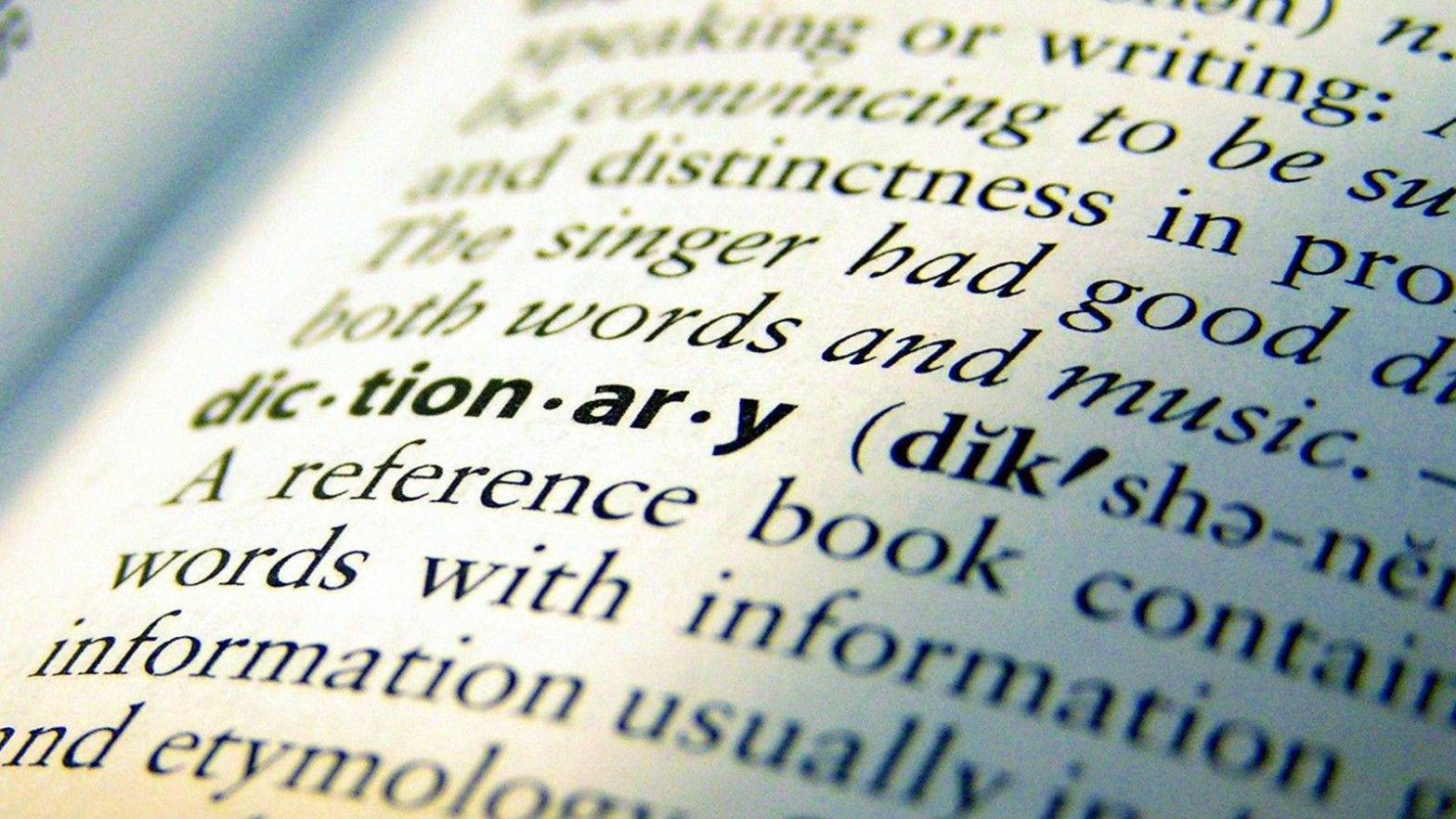
As the year winds down, lexicographers promote their dictionaries with their words of the year. The one that has gotten the most attention so far is the least interesting – vibe-coding. It’s a software development that uses AI to convert natural language into computer code. It doesn’t excite me either.
The Oxford English Dictionary has announced that rage bait is its word of the year. Oxford defines this as ‘online content deliberately designed to elicit anger or outrage by being frustrating, provocative or offensive, typically posted in order to increase traffic to or engagement with a particular web page or social media content.’ It’s click bait’s ugly cousin. The first example that came to my mind was the postings of the current US president, to which we need to add to the OED definition ‘usually to distract the public from certain issues…’
Cambridge’s dictionary has given its vote to parasocial, which it defines as ‘involving or relating to a connection that someone feels between themselves and a famous person they do not know, a character in a book, film, TV series, etc., or an artificial intelligence.’ The word has been around since the 1950s, when it was used in sociopsychology though the concept is even older. Figures like George Washington and Napoleon Bonaparte were idolized by people who imagined personal bonds with them as expressed in love letters. The fandom of the early days of Hollywood sparked a whole industry based on imagined intimate relationships with the stars. I confess now that my teenage self had a one-sided relationship with David Bowie. The fact that parasocial has come into popular use in 2025 says something about the times we live in. Are things so bad that our escapism leads us to a place where fictional characters, celebrities, influencers and AI bots become our friends and lovers?
My buddy, Mr Copilot, tells me that Dictionary.com has christened ‘67’ (pronounced 6-7) their word of the year. It’s a slang expression born in TikTok, and while it doesn’t have a fixed meaning, it could mean ‘so-so’ or ‘maybe.’ It’s usually accompanied by a hand gesture – palms up alternating up and down. Like so many slang expressions, its social meaning is more important than its lexical meaning – it’s part of a private language, popular with the young and used to annoy the old. It’s working on me.
Other words that were added this year aren’t new and didn’t make ‘word of the year,’ but are interesting, nonetheless. In 2024 Carol Cadwalladr introduced and popularized the term broligarch, which entered the Cambridge Dictionary in 2025. The fact that others are using this term gives me hope in a perverse way. Broligarch encapsulates the ultra-wealthy tech figures (often male) who wield influence over politics, media and culture. Its growing use and entrance into a dictionary marks public concern – this is where the hope comes in. The broligarchs do not use it to refer to themselves. It’s used despairingly by the rest of us.
Finally, there’s tradwife, which has been around for a few years and was also added in 2025. It refers to ‘a woman who embraces traditional gender roles, especially in marriage and homemaking.’ It’s one thing to be selectively nostalgic – most nostalgia is selective – but it’s something else to desire inequality and financial dependency. My prediction – in five years from now, a couple of neologisms will enter the English lexicon – the verb distradify and the noun liberwife.
What I’ve been reading
A history book that is just that – and not historical fiction, my normal means of learning history. The Burning Earth: An Environmental History of the Last 500 Years by Sunil Amrith starts with the Age of Exploration and Empire, when European colonial expansion began reshaping global environments through mining, agriculture, and trade. The book then traces environmental disasters of the Industrial Revolution and the 20th century’s fossil fuel boom and finishes with our climate crisis. I’ve been particularly struck by this book’s approach to the slave trade. Where a more traditional history would describe the brutality, human toll, financial gains, abolitionist movement and the US Civil War, this history adds the consequences to biodiversity. One of several examples is sugar, which became an industry due to slavery across North and South America. Amrith sums this up:
“Violence on human beings accompanied a violent assault on the rest of nature. Sugar plantations had a limitless appetite for timber to fire the vats. Furnaces swallowed forests. Woods fell for pasture to feed the domestic animals that were a vital source of muscle power. Denuded hillsides threatened human settlements with mudslides after every rainfall. Sugar ruined the soil.”
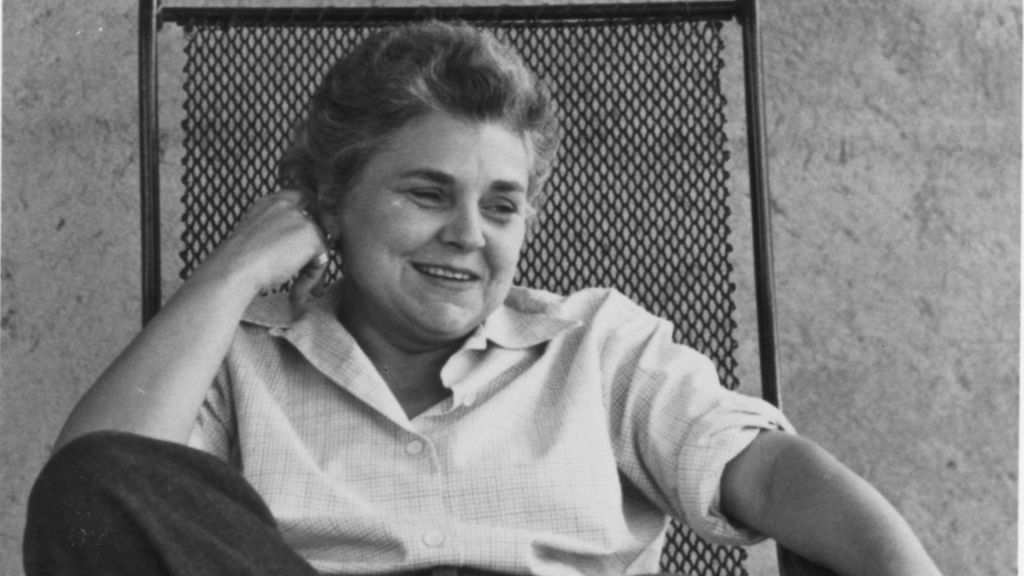
The New Yorker, celebrating its 100th anniversary, has reprinted some classics, including the poem ‘At the Fishhouses’ by Elizabeth Bishop. First published in 1947, this highly accessible poem describes a scene of an elderly fisherman untangling a net on the shore. The narrator, observing this, connects with nature and memories and reflects on the concept of knowledge. Like the comments made by Jorie Graham in the current New Yorker, I too found the ending particularly evocative in a literal and linguistic sense:
It is like what we imagine knowledge to be:
dark, salt, clear, moving, utterly free,
drawn from the cold hard mouth
of the world, derived from the rocky breasts
forever, flowing and drawn, and since
our knowledge is historical, flowing, and flown.
So too, are the words we create to communicate this knowledge.

 Paola Trimarco