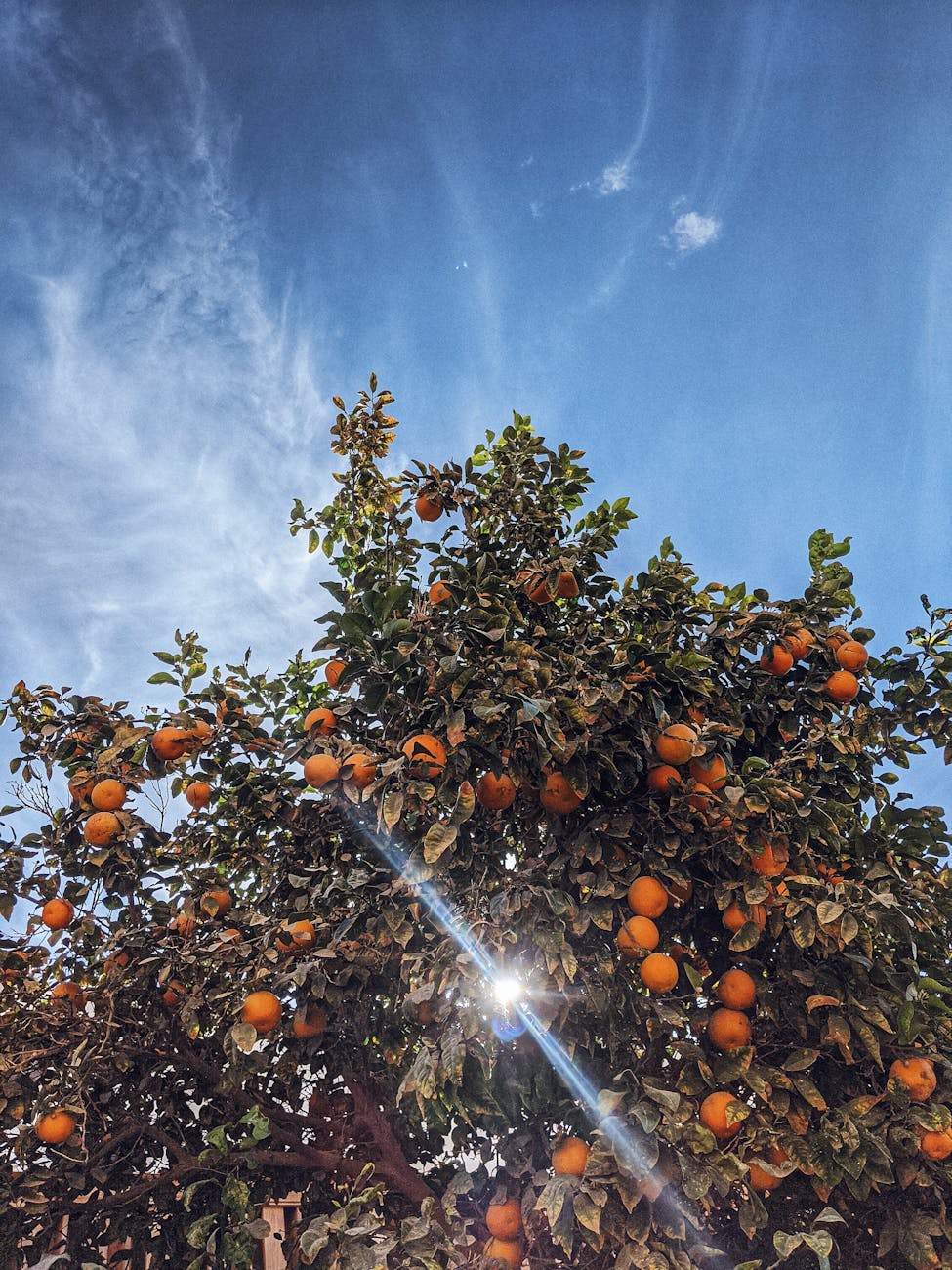
As a child in Chicago, I knew elderly neighbours and the grandparents of my classmates who escaped the snow and ice by living in Florida for the winter months. I used to think of these snowbirds, as they were called, with just a hint of envy and sometimes contempt – what made them so special that they didn’t have to trudge through snow or chip ice off their cars?
Now I’ve become one of those snowbirds – well, sort of. In addition to the harsh winter months, I do spend a month of the autumn and another in late spring in the south of France. Summers, and the remaining weeks of autumn and spring are in Cambridgeshire, Britain. Perhaps I’m more of a blackbird than a snowbird. Blackbirds can withstand the British winters, with most staying through the early winter months before migrating, if they bother to migrate.
But this isn’t just about the weather. My migratory habits also have to do with wanting to experience diverse cultures, practice different languages and break the routines of living in one place for a stretch of time. It’s all part of my self-psychotherapy (I’ll revisit this later.)
With this coming and going, I mark the seasons differently now. I don’t know if I should even call them seasons anymore. As I experience nature at its peaks – the winter harvesting of oranges and lemons in the south of France, the spring tulips and summer marigolds in England – the natural year is without a sense of death and renewal. It’s nearly always in bloom and constantly changing – or undergoing shorter lifespans, with no time for mourning. Time has folded on me, the years without stark seasons appear to pass more quickly, and the transience of life is more evident.
What I’ve been reading…
Noreen Masud’s A Flat Place is a memoir about the author’s love for flat places, like the fens in England (where I live for half the year) and Scotland’s Orkney Island, while coming to terms with complex PTSD. This form of PTSD does not emerge from a warzone or a traumatic incident. It forms slowly over years. In Masuud’s case from her childhood in Pakistan under a controlling father, a medical doctor, who could not relate to having only girls and who treated them medically and psychologically like ‘lab rats’ as Masud realises with hindsight.
When I read her description of complex PTSD, I recognised elements of my own life. Back to self-psychotherapy. It has taken me decades to not see the world through the filter of my dysfunctional and at times verbally abusive family:
‘…complex PTSD is a condition that only gains meaning beyond the situation that caused it. You adapt to the world you find yourself in….If you stay in that environment [your] instincts can help to keep you alive. It’s when you leave that environment that they become maladaptive. Then – and only then – are you a damaged person. You have to laboriously unlearn all those habits, and invent new ones, in a world whose very calmness feels frightening and unreliable to you.’
Masud ties together the solace she finds in the flat countryside with the need to escape childhood memories and learn to live in her new non-traumatising environments as a student, a colleague and as a friend. She turns the tormented memories of Pakistan into the stable sense of self found in the wonder and openness of the British flatlands.

I’ve also been dipping into the poetry of Giovanni Pascoli. This late 19th century poet is one of the most read in Italy. In brief, Pascoli led a tragic life, losing his father, who was murdered by an assassin, at the age of 12 and later witnessing the early deaths of his mother, two brothers and a sister. Despite his poverty, he was able to attend university, becoming a scholar and a political activist in the emerging socialist movement. His writing reflects both the conversational vernacular of his humble upbringing with the elevated expression of a Latin scholar. Reading Pascoli in Italian makes this not only a slow pleasurable read, but also a formidable linguistic exercise. Having said that, in any language, Pascoli’s writing is accessible while giving the reader a little symbolism to deconstruct. In what I suspect was Pascoli’s journey into self-psychotherapy, this poem uses natural images to reflect on the ideas of family, memories and the brevity of life:
(translated by Susan Thomas)
And the night-blooming flowers open,
open in the same hour I remember those I love.
In the middle of the viburnums
the twilight butterflies have appeared.
After a while all noise will quiet.
There, only a house is whispering.
Nests sleep under wings,
like eyes under eyelashes.
Open goblets exhale
the perfume of strawberries.
A light shines there in the room,
grass sprouts over the graves.
A late bee buzzes at the hive
finding all the cells taken.
The Hen runs through the sky’s blue
yard to the chirping of stars.
The whole night exhales
a scent that disappears in the wind.
A light ascends the stairs;
it shines on the second floor: goes out.
And then dawn: the petals close
a little crumpled. Something soft
and secret is brooding in an urn,
some new happiness I can’t understand yet.

 Paola Trimarco