I submitted my story only a day before the deadline. I don’t like running so close to the edge, but I’ve been busy with moving house in France. The story is for a literary magazine with an upcoming issue on the theme of place. Of course, place is everywhere, and every story takes place somewhere. Bringing place into the foreground is, I assume, what the editors meant by calling it a theme.
My story is set in India and is about a young woman who is somewhere on the spectrum (as we say these days). The treatment of animals (a contrary mix of despise and adoration) and of the poor (a mix of tolerance and alienation) makes this Western woman realise something about herself. I don’t know if I have succeeded in keeping place in the foreground. My main character has stolen the scene, and I suspect the editors will put my story into the neuro-diversity box either for another issue or for the overflowing rejection bin.
All of this has me thinking about place in fiction writing. I recall a playwright once explaining to fellow writers that he treated place as if it were a character. Place shouldn’t just be wallpaper. Whether it’s developing characters or causing certain actions to occur, place needs to play a meaningful role in the story.
In a book I just finished reading, The Paper Palace by Miranda Cowley Heller, the author does a particularly good job of using place as if it were a character. A New York family’s summer home is referred to as the paper palace. It is a tranquil, beautiful place that draws the family together and is where two key events occur. One event is a traumatic childhood experience, which triggers a tragic death and more painful memories. The other is a secret romantic relationship, which creates the main conflict of the story and a decision for the protagonist to grapple with until the very end. The summer home is feared and desired, and most importantly is unavoidable for the main characters.
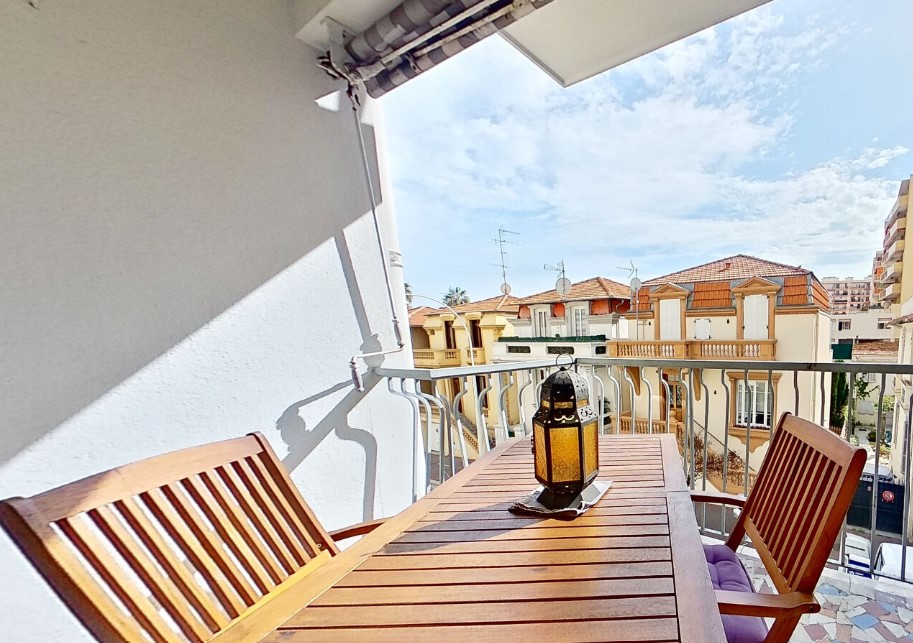
While working on my short story and reading the Heller book, I’ve been reflecting on my sense of place in Nice, where David and I have had a second home for nearly 14 years. At one time, Nice was our escape from British winters. Now, it has become an escape from British life post-Brexit. As it has also become a place to spend more of my retirement (if writers every really retire), we’re looking for a larger apartment, a quieter city and a location closer to Italy for weekend jaunts. And thus, we’re apartment shopping in Menton. I trust that once we have left Nice, it, like India, will be a place I can write about from the vantage point of memories. Having said that, I’m reminded of a quote attributed to Benjamin Disraeli: ‘Like all great travellers, I have seen more than I remember and remember more than I have seen.’

 Paola Trimarco